
What is Obon? Also explaining the difference between Shinbon and Kyubon!
Jul 17, 2026

What is Obon? Also explaining the difference between Shinbon and Kyubon!
During the Obon season, there are more opportunities to remember the deceased and for families to gather. Many of you may have looked forward to returning to your grandmother's house as a child.
However, as adults, many people wonder, "What exactly is Obon a period for?" and "What's the difference between Shinbon and Kyubon?"
This article thoroughly explains everything from the basic meaning of Obon to the special Shinbon (first Obon) that occurs for the first time after someone's passing, and the annual Kyubon (regular Obon), including their respective periods and how to spend them.
We will also introduce Obon customs and etiquette during the Obon holiday, so please use this as a reference for enjoying this year's Obon.
Obon is a "memorial event for ancestors"
 Obon is a traditional Japanese period of ancestor worship, during which the spirits of ancestors are believed to return to this world.
It has been handed down since ancient times as an important time for families and relatives to gather, remember the deceased, and express their gratitude.
What are the origins and meaning of Obon?

Obon, officially known as "Urabon-e," originates from Buddhist teachings.
It is said to have begun with a story in which Maudgalyayana (Mokuren), a disciple of Buddha, followed Buddha's teachings and made offerings to monks to save his deceased mother, who was suffering in the realm of hungry ghosts, and she was saved.
When this Urabon-e was introduced to Japan, it spread as the custom of Obon, where ancestors' spirits are welcomed and memorialized.
This idea is also the basis for lighting mukaebi (welcome fires) to guide ancestors safely home, and okuribi (farewell fires) to send them back to the other world.
General Obon Period
 The Obon period varies slightly by region.
Nationwide, the four days from August 13th to 16th are generally observed, but in some parts of the Kanto region, particularly in areas referred to as Tokyo Obon, the custom is to hold Obon in July.
During this period, many people take time off for the "Obon holiday," return to their hometowns to spend time with family, or visit graves.
Shinbon (July Obon) is "Obon primarily observed in Kanto"
 Shinbon (July Obon) refers to the Obon celebrated primarily in parts of the Kanto region, especially around Tokyo, from July 13th to 16th.
What is the definition of Shinbon (July Obon)?
 Shinbon (July Obon) refers to the Obon period that begins with "Mukaebon" on July 13th and ends with "Okuribon" on July 16th.
In regions that observe this July Obon, if forty-nine days have passed since the deceased's passing, then that year's July Obon becomes their Hatsubon (first Obon).
For example, if someone passed away in May, and the forty-nine days pass before the July Obon, then that year's July Obon will be their Hatsubon.
Why do some regions observe Obon in July?
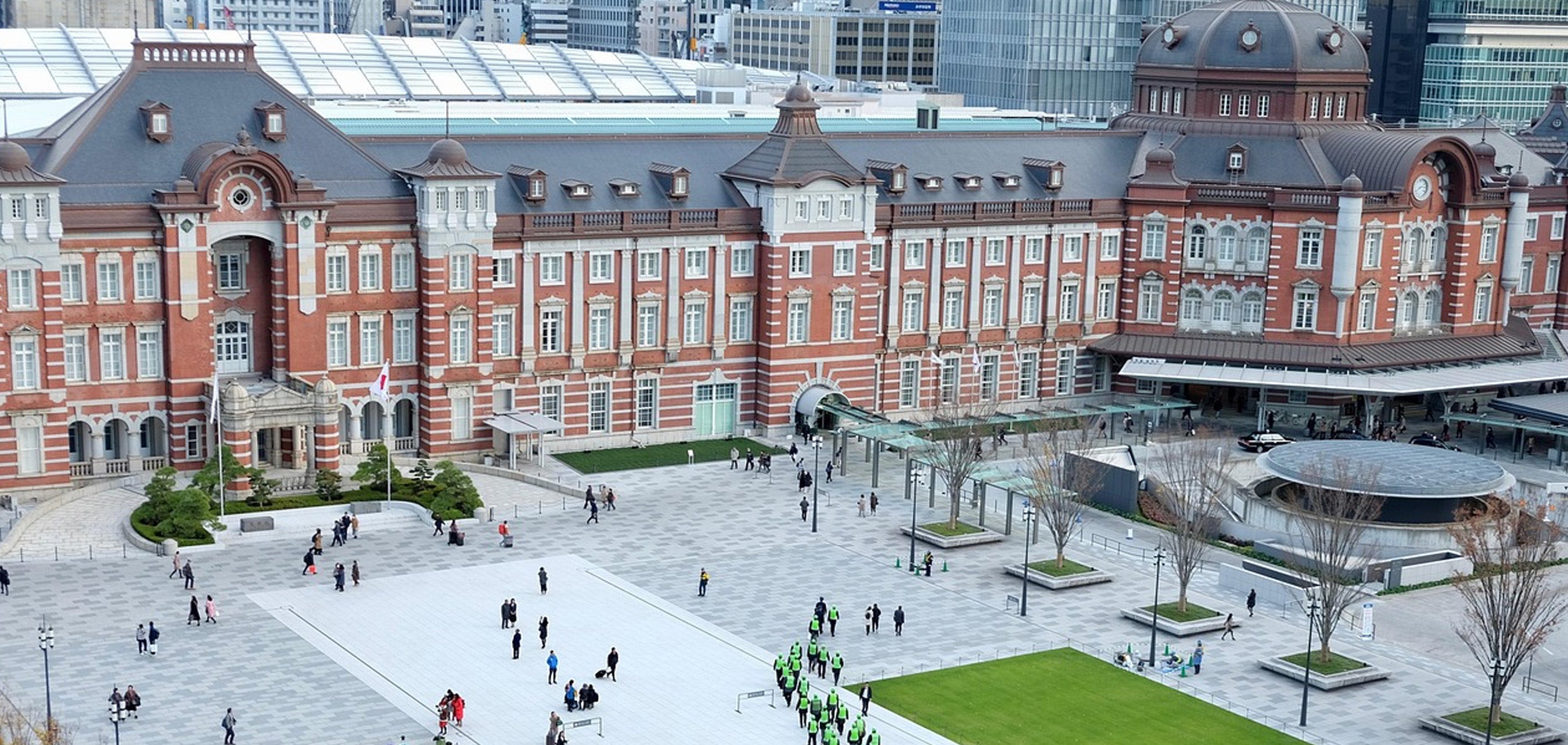
The custom of July Obon is said to have been greatly influenced by the calendar reform in the Meiji era.
When the Obon of the old lunar calendar was applied to the new solar calendar, it coincided with the busy farming season in many rural areas, so the "August Obon", postponed by a month, naturally became established.
However, in urban areas like Tokyo, commercial activities were thriving regardless of the season at that time, so the old lunar calendar's Obon was simply shifted to July in the new calendar. This theory is considered to be the most plausible.
This practice remains today as Tokyo Obon or Kanto Obon.
How to spend Shinbon (July Obon) and its customs

The way Shinbon (July Obon) is spent and its customs are also common with the Kyubon (August Obon), which will be explained later.
Mukaebi (Welcome Fire) and Okuribi (Farewell Fire)
At the start of Obon, mukaebi (welcome fires) are lit to greet the spirits of ancestors. Then, at the end of Obon, okuribi (farewell fires) are lit to send them off to the other world.
Obon Decorations
A shoryodana (spirit altar) is set up in front of the Buddhist altar, and Obon decorations such as bonchochin (Obon lanterns) and shoryouma (spirit horses made from eggplant and cucumber with chopsticks as legs) are arranged.
Memorial Service
Especially for Hatsubon (the first Obon after a death), it is common to hold a memorial service where a Buddhist monk is invited to chant sutras. Relatives and acquaintances may also be invited for a meal.
Kyubon (August Obon) is "Obon widely observed nationwide"

Kyubon (August Obon) is the most widely observed Obon nationwide, referring to the period from August 13th to 16th.
This Kyubon is the Obon that occurs annually after Shinbon.
What is the definition of Kyubon (August Obon)?

Kyubon (August Obon) is the Obon period that begins with "Mukaebon" on August 13th and ends with "Okuribon" on August 16th.
This August Obon, seen in many regions, is said to have become established throughout the country because it coincided with the agricultural off-season and children's summer vacations.
Why is Kyubon (August Obon) so widespread throughout Japan?
 The reason August Obon became mainstream is that the Obon of the old calendar (around July 15th on the old calendar) often fell in August on the new calendar, and it coincided with the off-season for agricultural work such as rice farming.
It is thought that it was convenient for many regions to observe Obon during this period.
Even today, August Obon is recognized as the general Obon in a wide range of areas throughout Japan, including the Kansai Obon.
How to spend Kyubon (August Obon) and its customs

The way Kyubon (August Obon) is spent also centers on welcoming and memorializing ancestors, similar to Shinbon (July Obon).
Mukaebi (Welcome Fire) and Okuribi (Farewell Fire)
At the beginning of Obon, mukaebi (welcome fires) are lit to greet the spirits of ancestors, and at the end of Obon, okuribi (farewell fires) are lit to send them off safely to the other world.
The Daimonji Gozan Okuribi in Kyoto is also a type of large-scale okuribi!
Grave Visit
Families visit graves together, clean them neatly, and offer Buddhist flowers and offerings to express gratitude to their ancestors.
Obon Decorations (Shoryodana, Shoryouma/Ushi, etc.)
A shoryodana (spirit altar) is set up in front of the Buddhist altar to prepare for the arrival of ancestors.
The "shoryouma" (spirit horse) and "shoryouushi" (spirit cow) made by attaching chopsticks to eggplant and cucumber are said to be for ancestors to arrive home quickly on the horse and return slowly on the cow.
Additionally, bonchochin (Obon lanterns) are displayed so that ancestors do not get lost.
Offerings
Ancestors' favorite foods, seasonal vegetables, fruits, and sweets are offered as offerings.
Family and Relatives Gatherings (Returning Home, etc.)
Using the Obon holiday to return home, where family and relatives gather to eat together and reminisce about the deceased, is also an important part of how Obon is spent.
In some regions, participation in bon odori (Obon dance) is also common, fostering lively community interaction.
Relationship between "Hatsubon" and "Shinbon (July Obon)" / "Kyubon (August Obon)"

We have explained "Shinbon (July Obon)" and "Kyubon (August Obon)" so far, but some people may be confused by their relationship with the word "Hatsubon," so let's clarify a little.
"Hatsubon" refers to the first Obon celebrated after forty-nine days have passed since a person's death.
Depending on the timing, Hatsubon can occur during the July Obon period or the August Obon period.
For example, if someone passes away in February, after forty-nine days, their Hatsubon will be observed during the July Obon period of that year.
On the other hand, if someone passes away in June, the forty-nine days will not be over in time for the July Obon period, so their Hatsubon will be observed during the August Obon of that year.
Thus, the term "Shinbon" can sometimes refer to the "deceased's Hatsubon" in some regions, and at other times simply to "July Obon" itself, so it is important to understand it within context.
Differences in Obon periods and customs by region

As mentioned earlier, while Obon customs are common throughout Japan, there are subtle regional differences.
We have summarized them below for clarity, so please use this as a reference when sending flower gifts.
July Obon
Primarily observed in parts of the Kanto region (Tokyo, Yokohama, etc.) and some areas of Shizuoka Prefecture, from July 13th to 16th.
August Obon
This is the most widely observed Obon nationwide, held from August 13th to 16th. Many regions observe Obon holidays during this period.
Old Calendar Obon
In some regions, such as Okinawa and the Amami Islands, Obon is celebrated according to the old lunar calendar, so the dates vary each year, so be careful!
Other
Depending on the region, there may also be unique customs regarding the beginning of Obon or the way okuribi (farewell fires) are held.
Asking your family or local elders about your region's Obon customs can also be a good opportunity to deepen your understanding of Obon.
Obon Period Precautions and Etiquette

Obon is an important period for remembering the deceased. There are a few etiquette points to keep in mind to avoid being disrespectful.
About Wearing Mourning Attire
When attending a Hatsubon memorial service, it is generally customary to wear mourning attire.
However, if only close relatives are present, semi-formal mourning attire or conservative plain clothes may be acceptable, so it's a good idea to check beforehand.
For regular Obon grave visits or family gatherings, it is not necessary to wear mourning attire, but avoid overly flashy clothing and aim for a subdued outfit.
Etiquette for Koden (Monetary Offering) and Offerings
It is customary to bring koden (monetary offering) when attending a Hatsubon memorial service. The envelope should be labeled "Gobutsuzen" or "Gokubutsu-ryo."
When visiting during regular Obon, it is appreciated to bring the deceased's favorite foods, non-perishable sweets, fruits, or other items as offerings.
Things to Avoid
During the Obon period, it is customary to refrain from killing living things. It is generally avoided to go fishing or kill insects.
Refrain from flashy behavior or irreverent remarks.
What flowers should be sent for Obon?

Many people who cannot return home for work or travel send flowers as a greeting.
If you are giving flowers as a gift, what kind of flowers should you send? Let's briefly explain.
Colors
For Hatsubon (the first Obon), white-based, clean, and subdued colored flowers are generally preferred. White monochromatic, or white with pale green or light purple, is favored.
For the second Obon and subsequent ones, many people tend to be less strict. For example, it is considered acceptable to use white as the base but add colors the deceased liked or slightly brighter colors (light pink, light blue, yellow, etc.).
However, it is advisable to avoid overly showy or primary colors.
Types
Chrysanthemums (especially white large chrysanthemums, small chrysanthemums), lilies (Casa Blanca, Easter lilies, etc.), Eustoma, carnations, and gentians are often chosen.
These flowers last well and are established as Buddhist flowers, so you can send them with confidence. &YOUKAEN also offers a wide selection of funeral flowers using these classic flowers.
Flowers to avoid include those with thorns, poisonous flowers, and flowers that do not last long.
Summary: Obon is a precious time to express gratitude to ancestors.

Obon is not just an Obon holiday, but an irreplaceable time to forget the hustle and bustle of daily life and express gratitude to your ancestors.
Shinbon (July Obon) is primarily observed in Kanto, while Kyubon (August Obon) is widely observed throughout Japan.
And "Hatsubon" refers to the special first Obon after a person's death.
By understanding the meaning and ways to spend each Obon, you can perform ancestor worship more peacefully and meaningfully.
This year's Obon is a precious opportunity to re-evaluate your own Obon traditions and express gratitude to your ancestors, so please spend it meaningfully.


